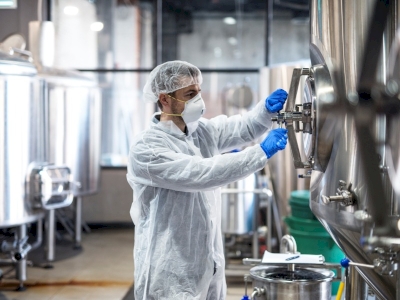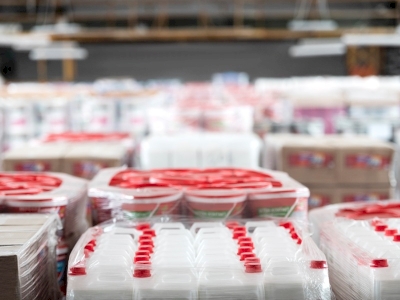
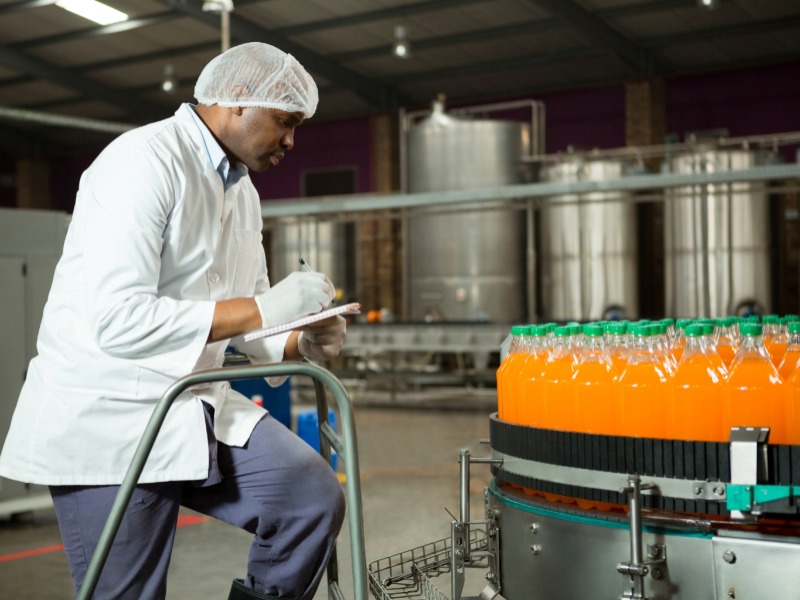
The industry is valued at trillions of dollars globally, with segments ranging from raw agricultural products to packaged foods and beverages. Large multinational corporations dominate, but small and medium enterprises also play significant roles, often specializing in niche markets or local products.
Supply chain complexity is a key characteristic, involving sourcing raw materials, manufacturing, distribution, and retail. Challenges include fluctuating commodity prices, global logistics disruptions, and rising production costs.
Technology adoption varies widely, with some companies investing heavily in automation, data analytics, and digital platforms, while others rely on traditional processes. These disparities affect competitiveness and operational efficiency.
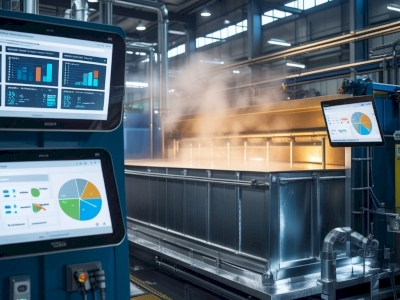
Technology offers precise ways to optimize operations and improve decision-making in the food and beverages sector. By leveraging tools that manage data and automate production, companies can address inefficiencies and increase responsiveness.
CS customers are able to reduce the challenges faced by industry. Adoption of ERP solutions enables companies to adapt swiftly to market changes and consumer demands. It empowers them with tools to optimize resources, reduce waste, and increase profitability.
The future of the industry will likely depend on integrating advanced technologies like ERP with emerging trends like sustainability and digital transformation. This integration can create a more resilient and efficient food and beverage sector.
The Impact of CS Software Implementation
ERP implementation in the food and beverages industry addresses critical operational bottlenecks and compliance needs. It enhances data visibility, enabling better decision-making across production, inventory, and distribution processes.
ERP systems automate key workflows such as procurement, production scheduling, and inventory management. This reduces manual data entry errors and accelerates order processing times.
By centralizing information, ERP eliminates siloed departments and promotes cross-functional collaboration. This results in smoother operations and faster response to market demands.
Traceability is crucial for food safety and regulatory compliance. ERP solutions maintain detailed records from raw materials to finished products, tracking batch numbers, expiration dates, and supply chain movements.
They enable rapid product recalls when necessary by pinpointing affected items efficiently. This transparency supports compliance with regulations like FDA FSMA and EU food safety standards.
Automated traceability also boosts consumer trust by allowing brands to share verified provenance information. It reduces risks linked to contamination or fraud.
ERP reduces operational costs by optimizing inventory levels and lowering excess stock costs. It improves forecasting accuracy, helping avoid overproduction and spoilage.
Cost monitoring modules track expenses across production, labor, and distribution, highlighting inefficiencies. This data drives targeted budget adjustments and pricing strategies.
Profitability increases as ERP streamlines procurement, prevents stockouts, and improves order fulfillment rates. It enables better margin analysis by linking costs to specific products or batches.
The foundation of ERP adoption is a clear strategic plan aligned with business objectives. Companies must define specific goals such as inventory reduction, production optimization, or compliance tracking upfront.
Stakeholders across departments should participate in setting these goals to ensure system functionalities meet diverse operational needs. A detailed timeline and budget should be established, including risk assessment and mitigation strategies.
Integration with existing processes and technologies must be evaluated rigorously. Transition plans should minimize disruptions to daily operations. This helps maintain productivity while the new ERP system is implemented.
The future of the industry will likely depend on integrating advanced technologies like ERP with emerging trends like sustainability and digital transformation. This integration can create a more resilient and efficient food and beverage sector.